

A burst pipe announces itself straight away. A hidden leak does not. It drips quietly behind a wall, under the floorboards or in the loft, often for weeks before anyone notices. Time is exactly what makes it expensive, as we explain in our guide to what a water leak really costs.
A hidden leak almost always leaves clues, though. This is a practical guide on how to find a hidden water leak yourself: the signs to watch for, a simple test using your water meter and a method for narrowing down where the leak is.
The signs of a water leak
Each sign can have another explanation. Several at once is worth investigating.
- The sound of running water when every tap is off. Listen late in the evening when the house is quiet. A faint hiss or trickle inside a wall is a warning sign.
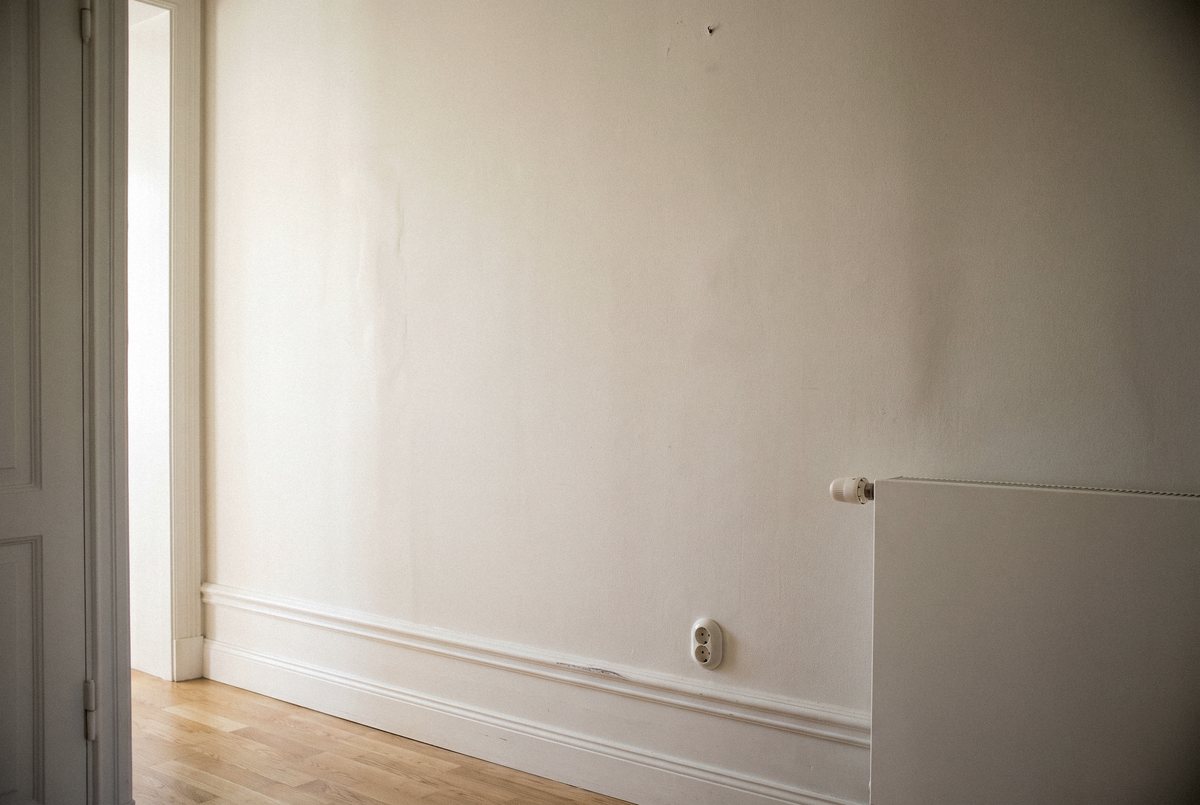
- Damp or cold patches on walls and floors. A leak on the hot water side can show up as a warm patch on the floor instead.
- Bubbling or flaking paint and wallpaper coming away.
- Swollen skirting boards or flooring that lifts, cups or darkens at the edges.
- A musty smell in a room that normally smells fine.
- Small spots of mould in corners, behind furniture or around pipework.
- A higher water bill with no change in how you use water.
- Stains on the ceiling below a bathroom or en suite.
- Loose tiles or grout that cracks and darkens around the shower.
- An overflow pipe dripping outside, which usually points to a cistern or tank that keeps filling.
Do the water meter test
If you are on a water meter, it is your best tool. It counts every drop that enters the property. If it moves while nobody is using water, water is going somewhere.
- Turn off every tap. Make sure the dishwasher and washing machine are not running and nobody flushes the toilet.
- Find the meter. In the UK it is often outside under a small cover near the boundary, but it can also be inside near the stopcock.
- Read the numbers and take a photo with your phone. Many meters also have a small dial or star that spins when water flows.
- Wait an hour without using any water at all.
- Read it again. If the numbers have changed or the dial is turning, you have a flow that should not be there.
A common culprit is a toilet that keeps running into the pan. Put a few drops of food colouring in the cistern and wait without flushing. If colour appears in the bowl, the flush valve is leaking. Rule out every toilet before you look further.
If your meter is outside, try one more step. Turn off the internal stopcock and watch the meter. If it still moves, the leak may be on the underground supply pipe between the meter and the house. Contact your water company for advice.
Check your home room by room
If the meter shows a flow, the next step is to look for it. Take a torch and work methodically.
Kitchen. Pull out the dishwasher if you can and check the floor and hoses. Open the cupboard under the sink and press on the base. Swollen chipboard is a clear sign.
Bathroom. Check the grout and sealant around the shower and bath. Look at the pipework behind the toilet and basin. Tap the tiles lightly, since a hollow sound can mean damp has loosened them.
Utility room or airing cupboard. Check the washing machine hose and connection, the hot water cylinder and every joint you can see. White limescale streaks or green marks on copper pipes mean water has seeped out and dried.
Under the floor. If you have suspended timber floors, lift a loose board or use an access hatch and shine your torch along the pipes. Look for drips, puddles and damp joists.
Loft. Older homes often have a cold water tank in the loft. Check the tank, its pipes and the insulation and ceiling below for stains.
Outside walls. Check the outside tap and the wall behind it. A pipe that froze last winter can split inside the wall, so a leak in the wall may only show when you first use the tap in spring.
Narrow it down with isolation valves
If you cannot see anything, use the meter to rule out parts of the house. Many homes have small isolation valves on the supply to each toilet cistern, under sinks and behind the washing machine and dishwasher.
- Close one valve at a time.
- Watch the meter dial for a few minutes.
- If the meter stops, the leak is after the valve you just closed.
- If it keeps moving, open the valve again and move on to the next one.
If no valve stops the meter, the leak is probably in pipework you cannot isolate, under the floor or in the walls.
Do not force a valve that is stiff, old or corroded. It can start leaking itself once you turn it. Leave that to a plumber.
When to call a plumber or a leak detection specialist
Call a plumber straight away if you can see running water, if the meter is moving quickly or if you suspect a leak inside a wall or floor. Turn off the stopcock in the meantime if you need to.
If the meter shows a flow but you cannot find the source, a leak detection specialist may be worth it. They use thermal cameras, moisture meters and acoustic equipment that listens for the leak through floors and walls. The aim is to find the leak without pulling up more than necessary, which matters most for pipes buried in a solid floor.
Talk to your insurer before you start opening things up. Check whether your policy includes trace and access cover, which can help with the cost of finding the leak. Photograph the stains and your meter readings.
From detective work to an alert in the app
All of this relies on you noticing something first. The meter test is a snapshot of one hour. A leak that starts the day after can run for weeks before your next check.
A flow monitor on the incoming water pipe does the same job as your meter test, only all the time. Water Grip clamps onto the pipe where water enters your home, measures the flow continuously and recognises when something is not normal, such as a small constant flow in the middle of the night. You get an alert in the app wherever you are. It does not turn off the water. You turn off the stopcock yourself or ask someone nearby to do it.
You still need to find where the leak is. The difference is that you start looking the same day rather than when the stain on the ceiling finally appears. It takes a few minutes to fit and needs no plumber. If you are weighing this up against sensors on the floor, we compare a whole house leak detector vs floor sensors in a separate guide.
In summary
A hidden water leak usually gives itself away through small signs: sounds in the wall, damp patches, bubbling paint, a musty smell and a higher bill. Do the meter test as soon as you suspect something. Then check the house room by room and use the isolation valves to narrow it down. If you still cannot find it, bring in a plumber or a leak detection specialist. And if you would rather not play detective, a monitor on the incoming pipe can keep watch for you.

Leave a comment
This site is protected by hCaptcha and the hCaptcha Privacy Policy and Terms of Service apply.